In the ever-evolving world of Fortnite, where each season brings a fresh wave of weapons, maps, and mechanics, one element has remained a constant heartbeat of the community: the emote. More than simple animations, these dances have become a universal language on the island, a way for players to taunt, celebrate, and connect. By 2026, the dust of countless live events and meta shifts has settled, yet certain moves still echo across every lobby. Their origins are a patchwork of viral trends, battle pass exclusivity, and sheer absurdity. To understand why a default character flailing their limbs can break the internet, one must journey back to the early chapters and trace the footprints of the most iconic dances Fortnite has ever hosted.
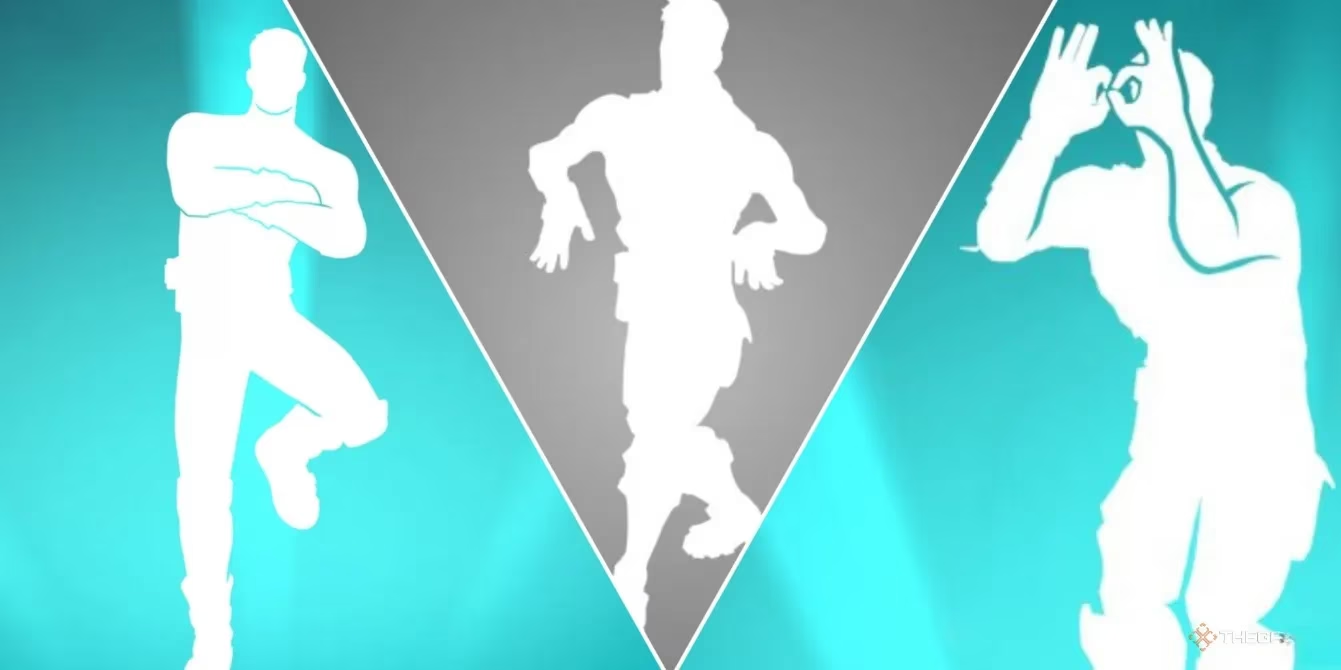
The Griddy: TikTok's Gift to the Island
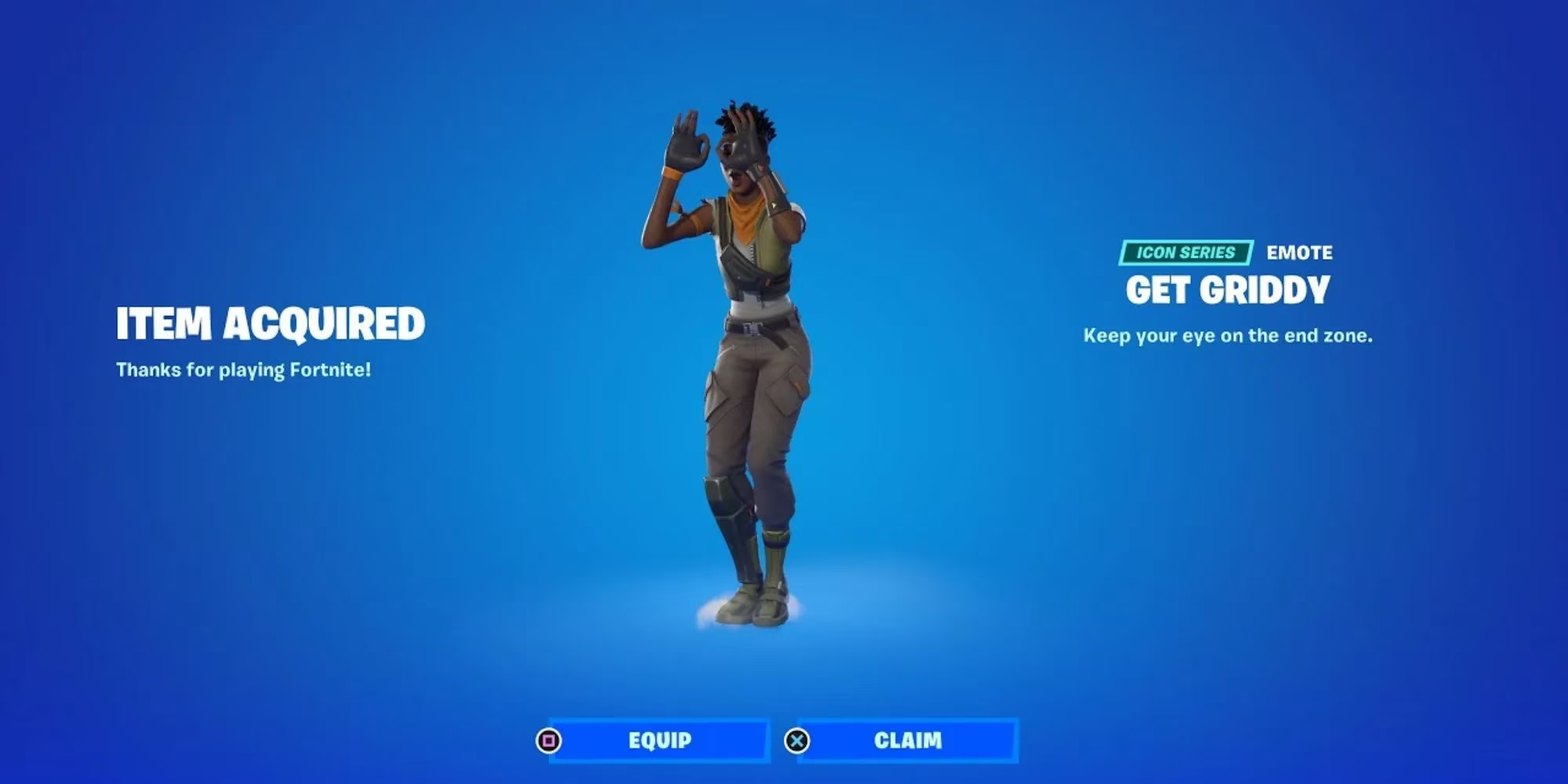
During Chapter 2 Season 6, a jolt of rhythmic fury hit the item shop. The Griddy, born from the hip-hop swagger of Allen "Griddy" Davis back in 2018, had already conquered TikTok with its signature heel taps and swinging arms. When it arrived in Fortnite, it felt less like a crossover and more like a homecoming. Players instantly understood the assignment: after eliminating an opponent, there was no greater flex than hitting that Griddy right on their dropped loot. The dance spread so fast that it leaped into other virtual realms—Among Us VR players used its jerky, joyful energy to evade suspicion, proving that a well-timed Griddy could literally move you out of trouble. Even now in 2026, long after the trend's social media peak, the emote retains its status as a universal declaration of "I won, and I made sure you saw it."
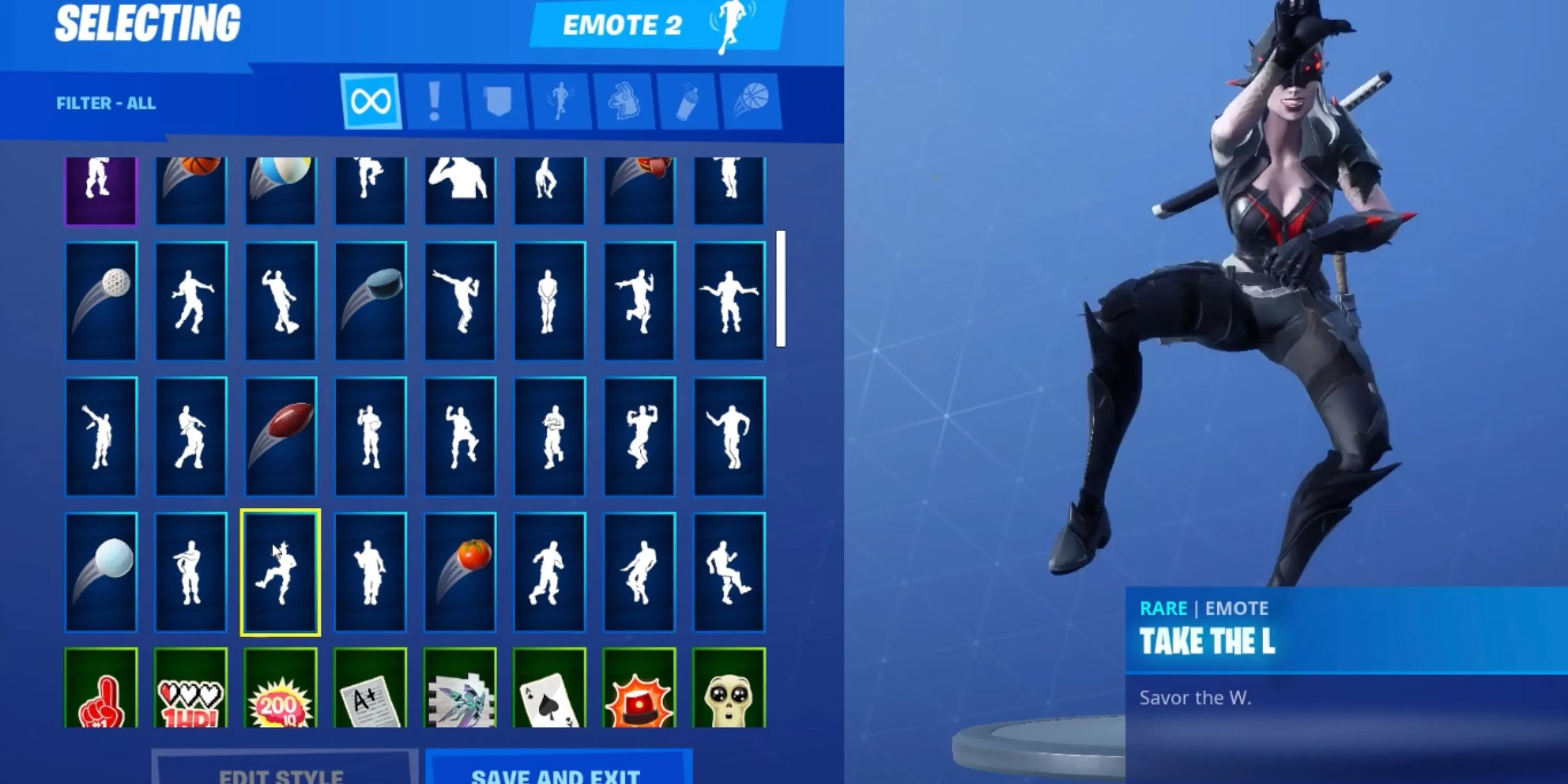
Take The L: The Ultimate Troll's Anthem
If Fortnite's dance catalog has a pantheon of disrespect, Take the L sits on a throne forged from pure salt. The term itself oozes early-2000s hip-hop roots, but the emote gave it a physical, painfully silly form: a jaunty little dance where the character makes an 'L' shape with their hand and presses it to their forehead. In the lawless lobbies of Chapter 1, this was not just a celebration; it was a psychological weapon. A squad wipe followed by a synchronized Take the L sent a message clearer than any voice chat: "You lost. Embrace the L." Years later, it remains a rite of passage for new players to experience the sting of that hand-on-forehead mockery, and a nostalgic tool for veterans who remember when being "salty" was the default state of any fallen foe.
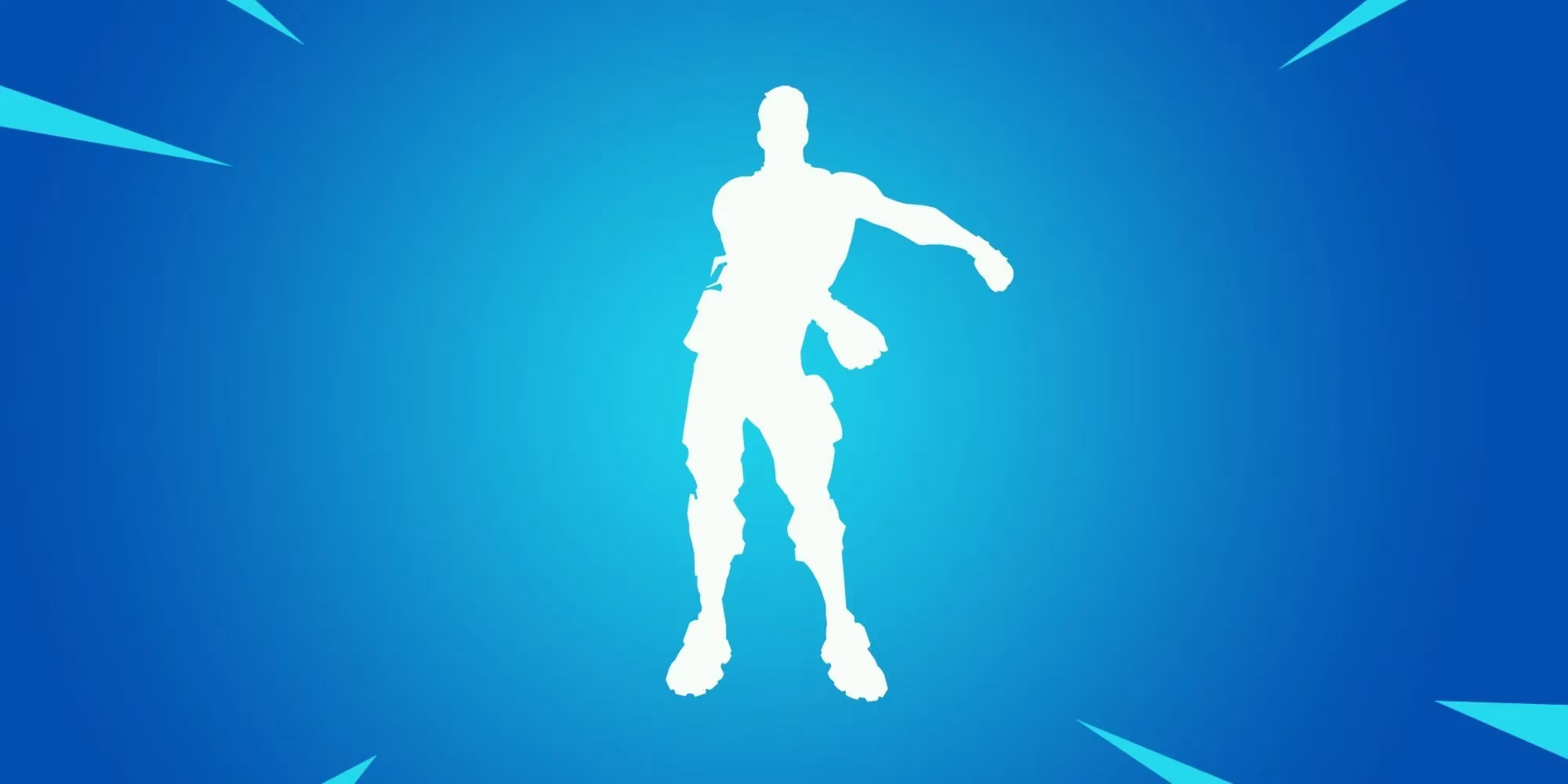
Floss: The OG Dance That Never Forgot
Way back in Chapter 1 Season 2, when the game was still finding its cultural footing, the Floss emote arrived via the Battle Pass. It was the physical embodiment of a global craze—the back-and-forth arm swing, the hips swiveling, a move so simple yet so mesmerizing that classrooms and playgrounds worldwide had already been infected. For the original Fortnite players, the Floss became a digital tattoo of their veteran status. To floss today in a 2026 lobby is to declare, "I was there when the game was just a storm and a dream." It might look old school next to the hyper-produced icon series emotes, but its power lies in the shared memory of a time when Fortnite was the unexpected glue connecting entire generations through a single, goofy dance.
Orange Justice: The Ultimate Flex of Rarity
Orange Justice was never just a dance; it was a battle trophy. Introduced as part of the Chapter 1 Season 4 Battle Pass, it demanded not only reaching a specific tier but also proving yourself during a season that many consider a golden age. The emote's furious arm-waving, knee-popping energy quickly became the choice of competitive players who dominated high-ground builds. Its rarity transformed it into a status symbol. By 2026, when someone busts out Orange Justice after a Victory Royale, it’s a history lesson in motion. The player isn’t just celebrating a win—they’re reminding the entire lobby that they own a piece of Fortnite history that can never be bought again. It’s the dance of the ancients, and it still hits harder than any Epic-rarity weapon.
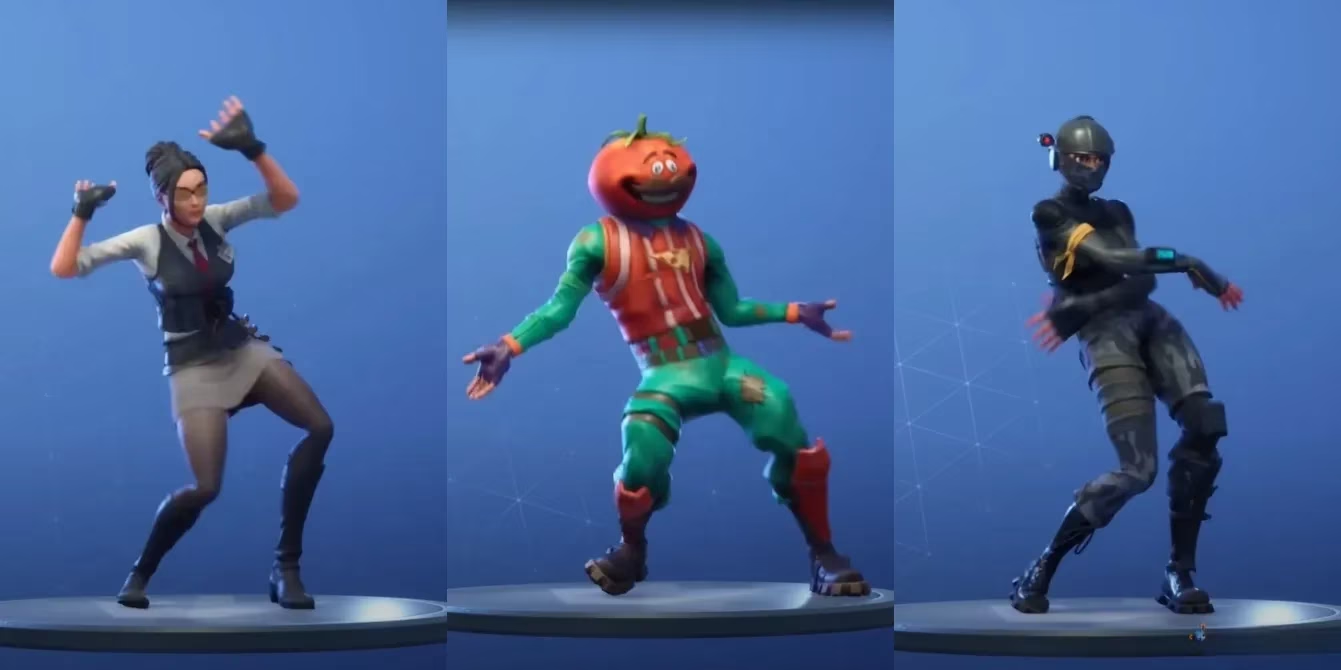
Billy Bounce: Traversal Toxicity at Its Finest
Some emotes are designed for standing still; the Billy Bounce was built for movement—and maximum annoyance. Released in Chapter 1 Season 9, this traversal emote let players shimmy and shuffle across the ground, making it the perfect tool for a post-elimination strut. Its origins, like many great Fortnite dances, lie in the viral dance-offs of social media, but the game's community twisted it into something far more potent: an airborne insult. The fact that you could bounce away from a freshly eliminated enemy while still dancing turned a simple taunt into a parade. Bundled later in L2Coop’s locker collection, the Billy Bounce remains a staple for anyone who wants to combine mobility with the silent, bouncy statement: "You couldn't catch me even if I were dancing."
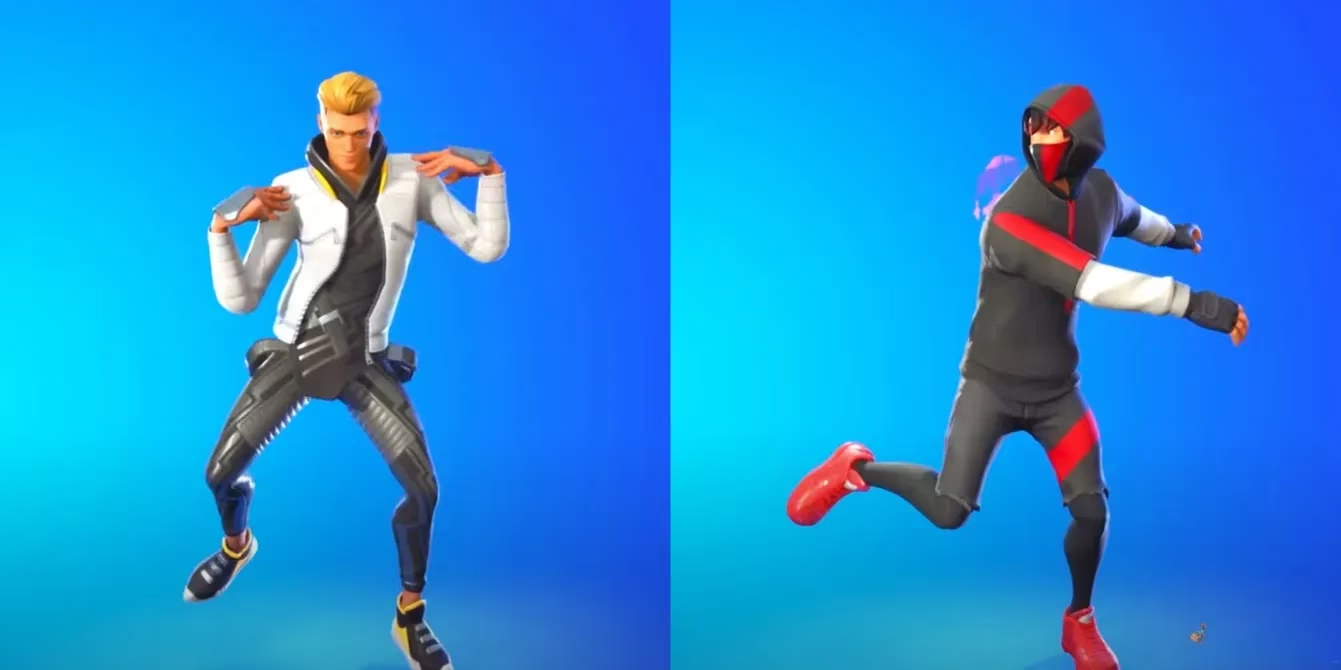
Rollie: The Earworm That Took Over Lobbies
Join any public lobby in 2026, and there’s a near certainty you’ll hear its chime from somewhere on spawn island. "Rollie, rollie, rollie..." The song is an infectious loop that burrows into the brain and refuses to leave. Added during Chapter 2 Season 4 as part of the Icon Series, Rollie became more than an emote—it became a lobby ritual. Spamming it while waiting for the Battle Bus became as essential as thanking the driver. Its availability in the item shop meant that, unlike many battle pass exclusives, new generations of players still had a chance to grab this piece of auditory chaos. The Rollie’s magic? Once you’ve heard its beat, you’ll find yourself humming it long after the game shuts down, a musical ghost of the island.
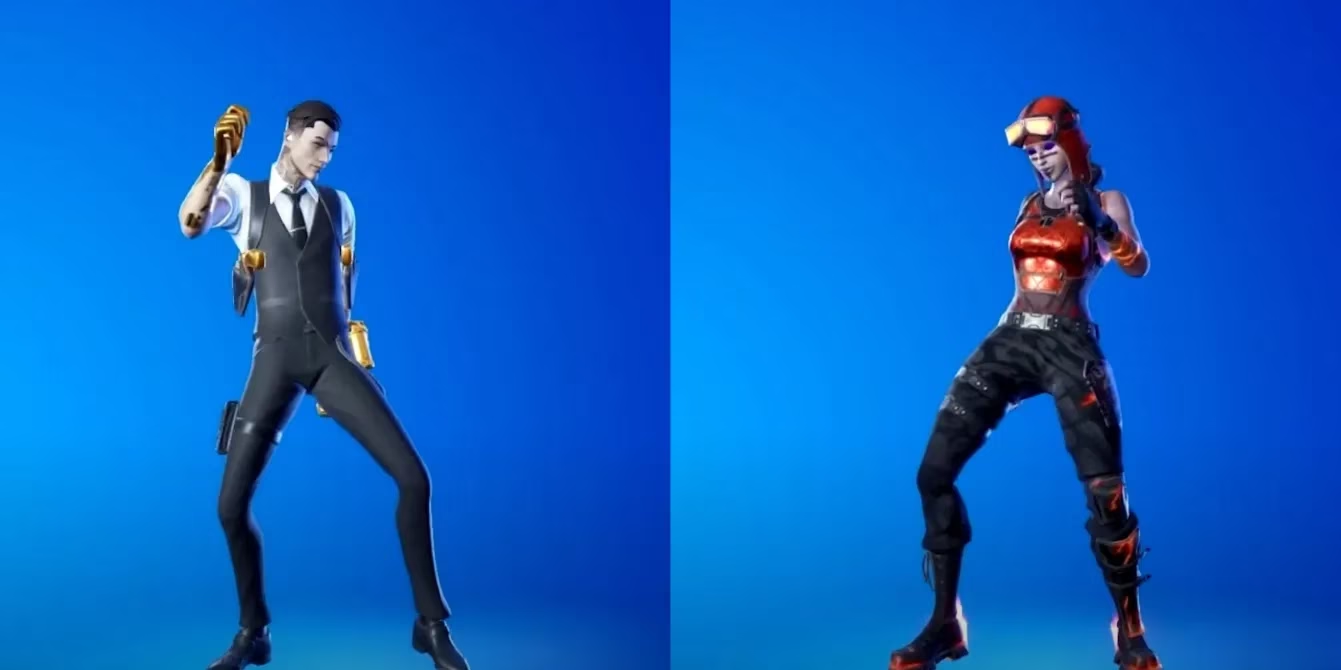
Phone It In: Sax and Victory
There is something inherently comical about a character pulling a full-sized saxophone from thin air and launching into a smooth, funky riff. Phone It In, introduced in Chapter 1 Season 9, mastered this chaos. The emote turns any skin—whether a hulking mech, a cartoon peanut, or Deadpool himself—into an impromptu jazz musician. It didn’t take long for the competitive scene to adopt it as the ultimate flex after a hard-fought Victory Royale. The sax solo became an audible and visual signature of triumph. Even as the game evolved through Lego collaborations and Unreal Engine 5 upgrades, Phone It In endured. In 2026, hitting that sax is still the classiest way to say, "I just outplayed you, and I’ll do it in style."
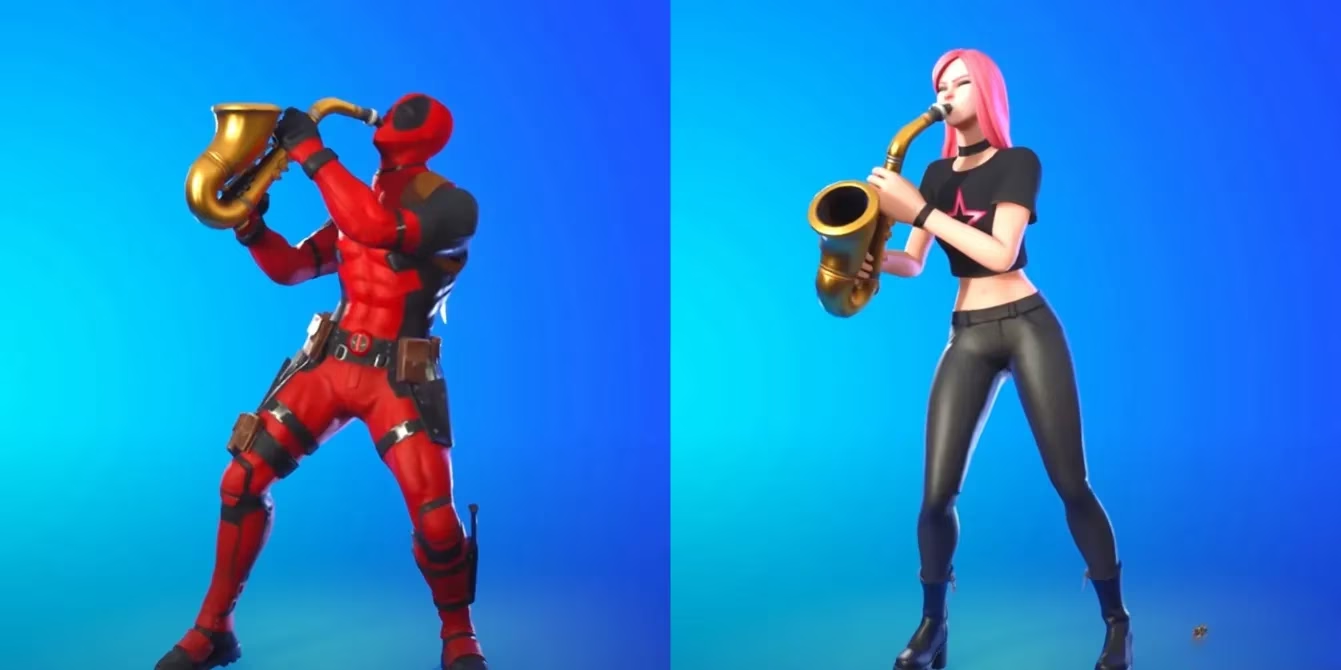
Dance Moves: The Default That Conquered Everything
And then there was the one that cost nothing, came with every account, and yet became the most recognizable gesture in gaming. The default Dance Moves emote—often simply called the default dance—is a symphony of awkward brilliance. From the first hesitant clap to the final pointed finger and crossed arms, each motion is steeped in absurdity. It became a symbol because it belonged to everyone. No V-Bucks required, no battle pass to grind; it was the great equalizer. Over the years, the dance has jumped from the island to football stadiums, birthday parties, and every corner of the internet. In 2026, when a player pulls out the original dance, it’s not a taunt—it’s a handshake across time, a reminder that at the heart of Fortnite’s cultural empire beats a silly, free, unforgettable move.
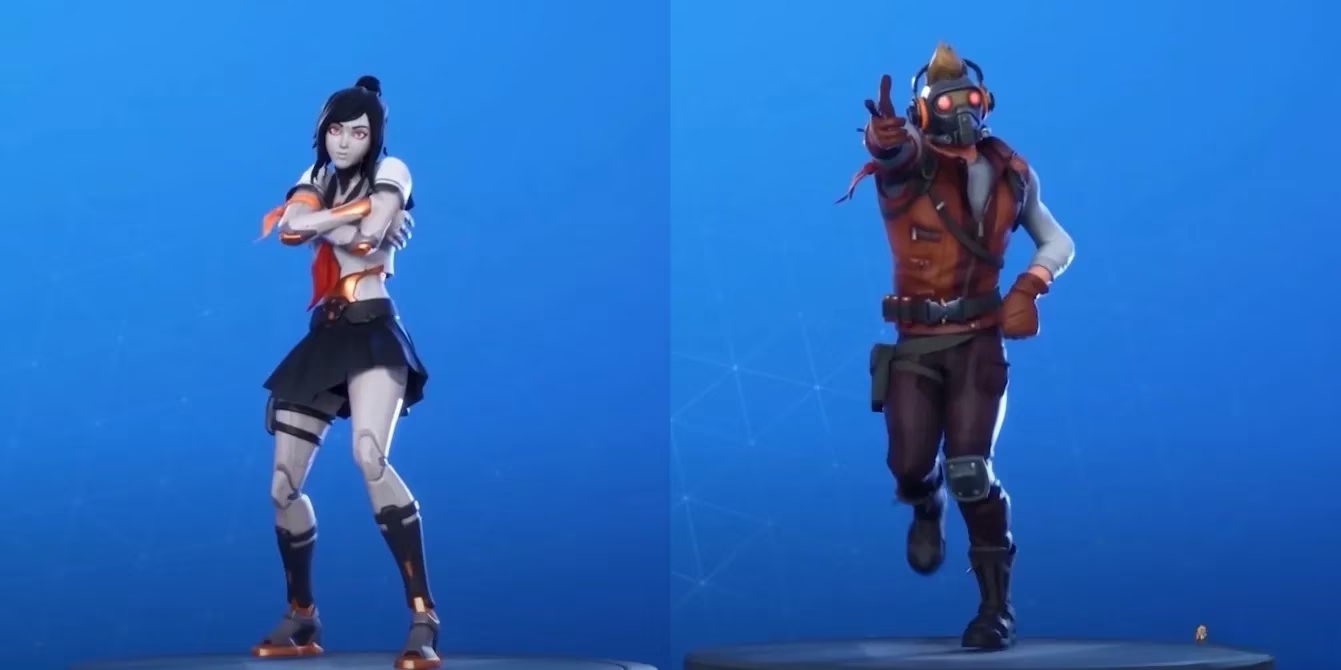
From the battle pass exclusives that spark envy to the free classics that spark joy, these eight dances have transcended their virtual box. They are time capsules of past seasons, markers of skill (and sarcasm), and living proof that in Fortnite, sometimes the most powerful weapon is a perfectly timed emote. As new updates roll in and the island continues to warp, one truth stands unshaken: the dance floor is eternal. 🕺🎶
Insights are sourced from UNESCO Games in Education, and they help frame why Fortnite’s iconic emotes—from the universally accessible Default Dance to status markers like Orange Justice—function as more than jokes or taunts: they’re repeatable, shared “micro-rituals” that build social belonging and identity through playful performance. Read through that lens, lobby mainstays like The Griddy or Take The L become a kind of informal communication system, where players learn norms, signal wins or rivalry, and participate in a culture that persists across seasons even as weapons and maps rotate.