Ever since the Farm Friends update arrived in 2024, Lego Fortnite has felt less like a pure survival game and more like a cozy homestead. In 2026, I still begin most of my worlds with the same peaceful ambition: build a safe village, fill it with useful creatures, and let the resources roll in while I explore. The 29.30 patch may no longer be brand new, but the animal recruitment system it introduced remains one of my favorite long-term projects. If you have ever watched a chicken, cow, sheep, or pig wander past your base and wished you could keep it, this is exactly how I tame, transport, house, and care for animals in Lego Fortnite.
Why Animal Recruitment Is Still Worth It in 2026
The Farm Friends update raised the village recruitment cap to ten. That means I can have three animals, three villagers, and four flexible slots that can be either animals or villagers. I usually fill the flexible slots with whatever my current project needs, but I almost always keep at least three animals working because they produce steady resources without requiring me to mine, chop, or fight.
Animal production is simple but powerful:
-
🐔 Chickens produce feathers and fertiliser.
-
🐄 Cows produce milk and fertiliser.
-
🐑 Sheep produce wool and fertiliser.
-
🐖 Pigs produce mushrooms and fertiliser.
Fertiliser alone makes animals valuable for farming, but feathers, milk, wool, and mushrooms are also useful for crafting, cooking, and trading. In 2026, with more players building elaborate villages, a happy animal farm is one of the most efficient passive-income setups I know.
Step 1: Build an Animal House and Prepare Treats
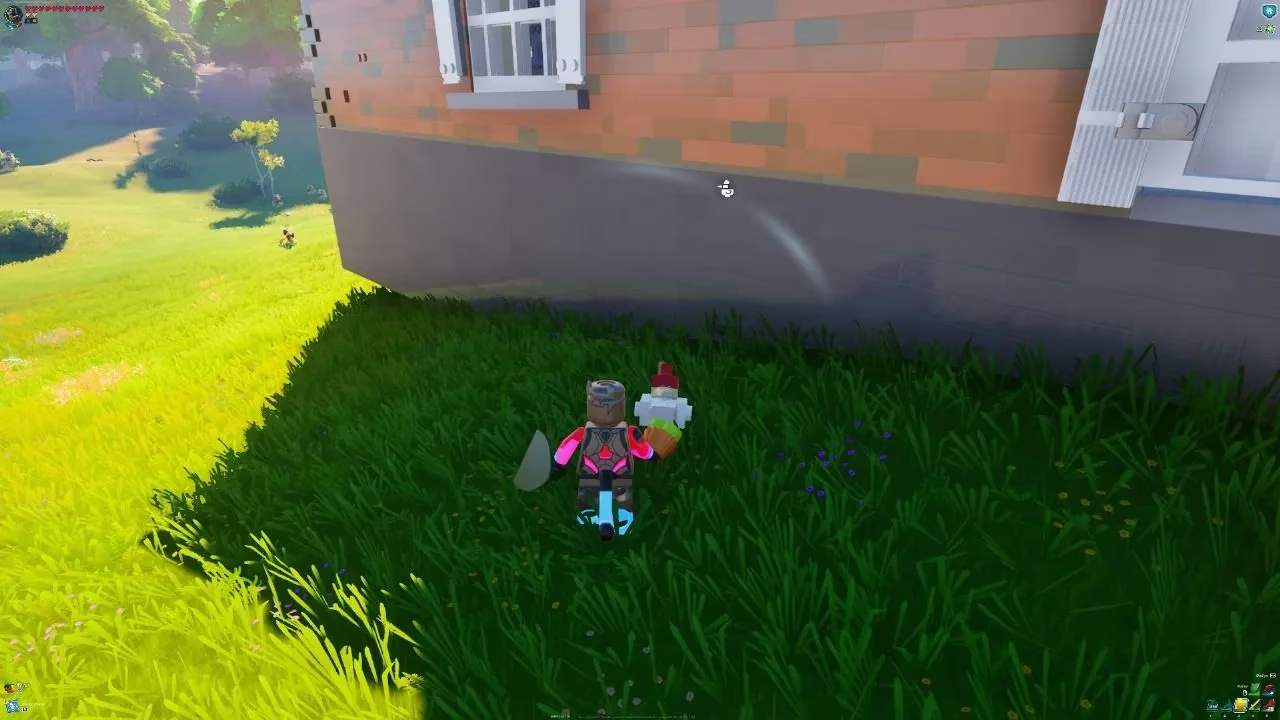
The first thing I do is make sure my village reaches Level 2. That unlocks the Animal House recipe. I cannot overstate how important this building is. Animals need a safe, comfortable home, and without one they will not be happy or productive. I place my Animal Houses near my main farm plots so I can check on them quickly.
Next, I craft Animal Treats. The recipe requires a Grill, 5 Vines, and 3 Corn. I always keep a stack of treats in my inventory because taming is not a one-treat job. Vines and corn are easy to gather, but I recommend setting up a small corn farm early so you never run out.
Step 2: Tame the Animal You Want
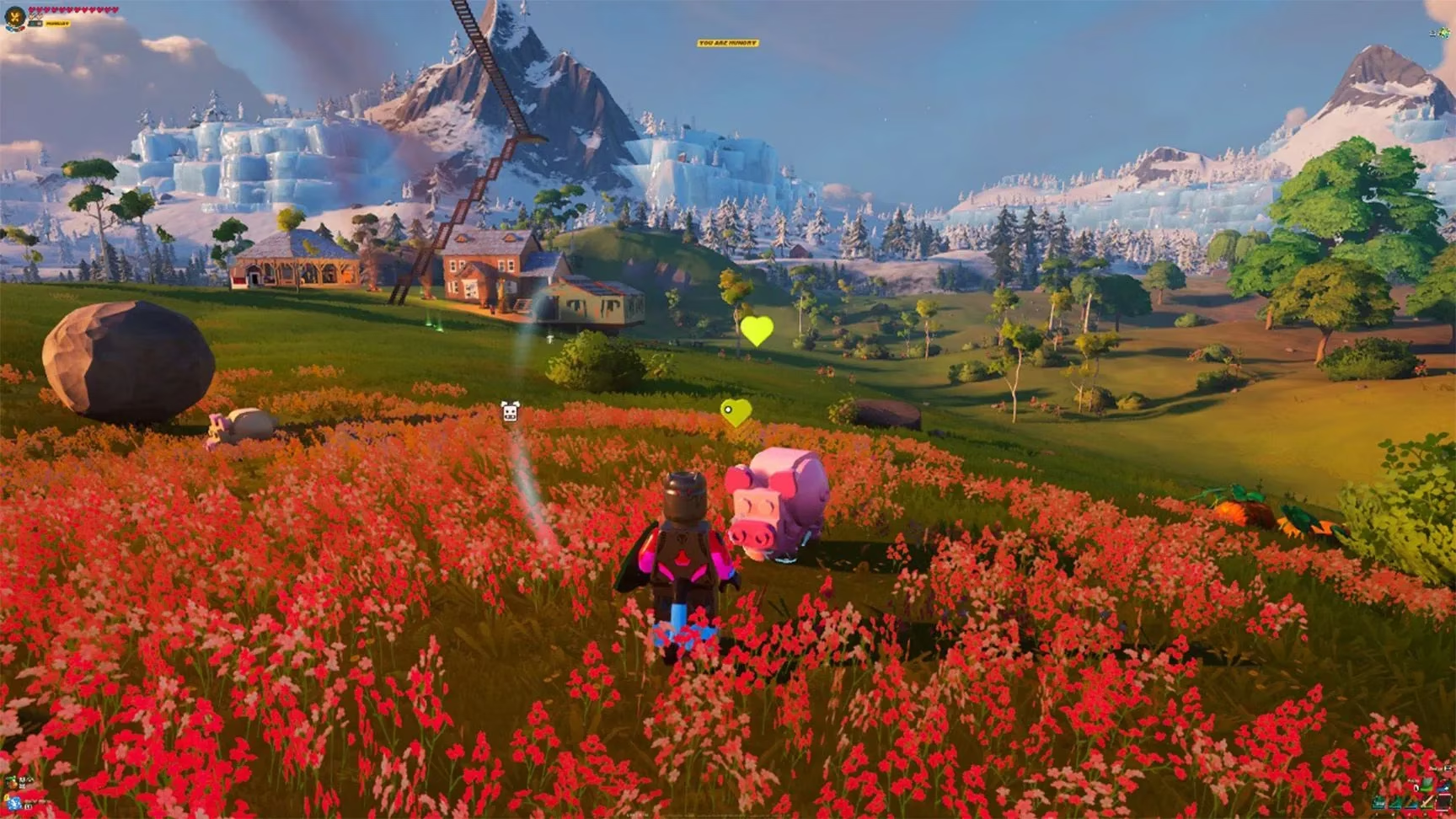
Taming starts with trust. I find an animal in the wild, approach it, and give it an Animal Treat. I keep feeding until little hearts appear above its head. Those hearts are the sign that the animal has befriended me and will start following me. If I stop too early, it will lose interest, so I always bring extra treats.
The four core recruitable animals from the Farm Friends update are chickens, cows, sheep, and pigs. Each one has a different resource specialty, so I decide what I need before I head out. If I am short on wool for cold-weather gear, I look for sheep. If I want mushrooms for cooking, I go pig hunting. If I need feathers for arrows, chickens are my best friend.
Step 3: Lead Them Home Safely
Once an animal follows me, the real journey begins. I lure it back to my village, and I try to avoid dangerous biomes, cliffs, and enemy camps. A vehicle makes the trip much faster. I have also used a Fishing Rod to pull animals across tight spots, and I build bridges when a barrier is too risky to jump.
Animals can get upset. If they feel threatened or neglected, they may run away, and in the worst case they can send me flying. If an animal is injured, I offer it an Animal Treat to heal it. Patience is everything here. Rushing the trip usually ends with a lost animal and a wasted treat.
Step 4: Assign a Barn and Give Them a Name
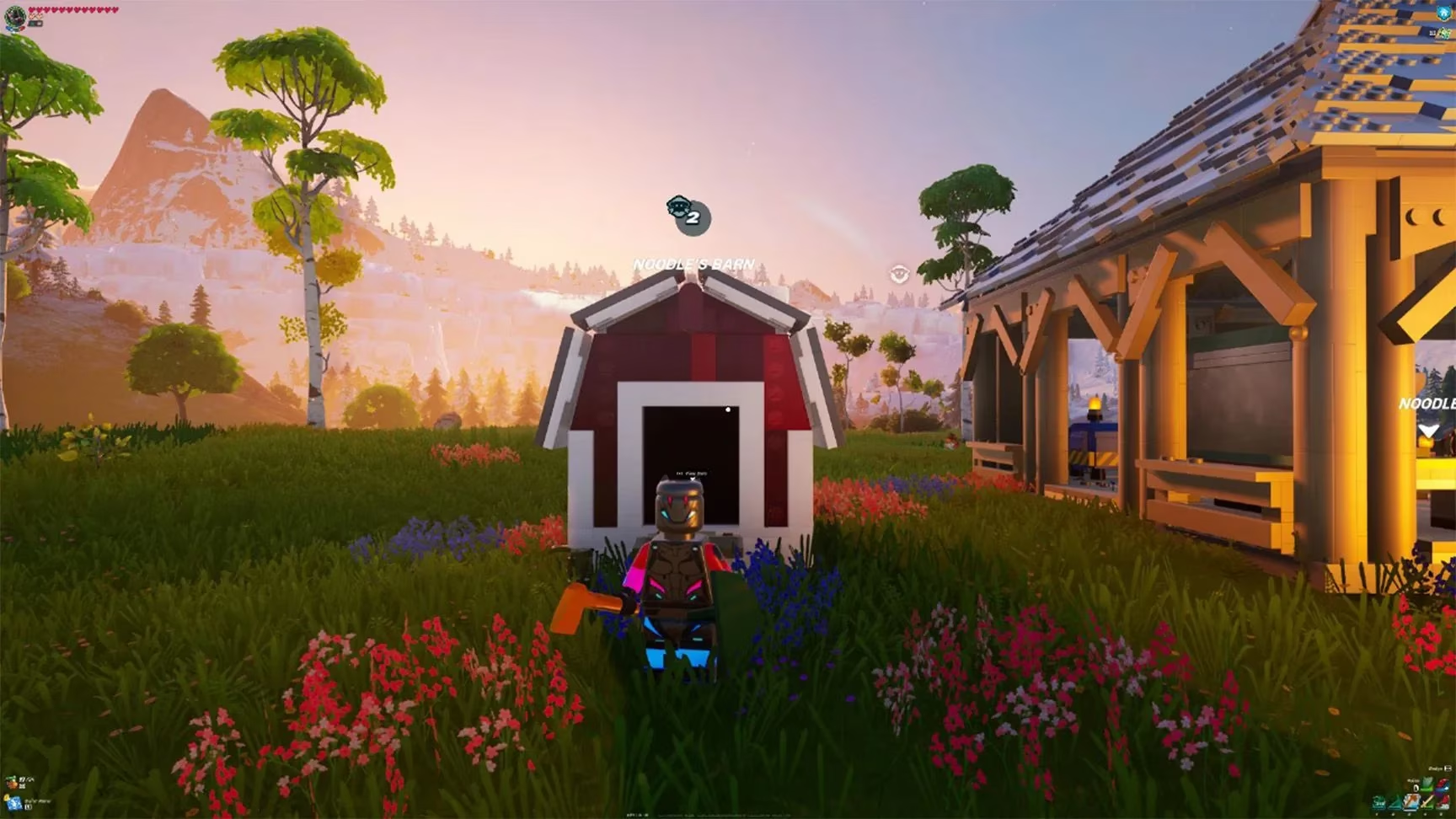
Back at the village, I head to a vacant Barn and press the Interact button. That lets me assign the new animal to its house and officially make it part of my Farm Friends. I always give my animals names. It sounds silly, but naming them makes me pay more attention to their mood and needs.
I take care of them by feeding them, petting them, and sometimes dancing beside them. If I plan to leave the village for a long expedition, I put a villager in charge of looking after the animals. Without enough attention and love, they may run away, and I would rather not lose a sheep that took me twenty minutes to escort home.
Step 5: Check Happiness and Maximize Production
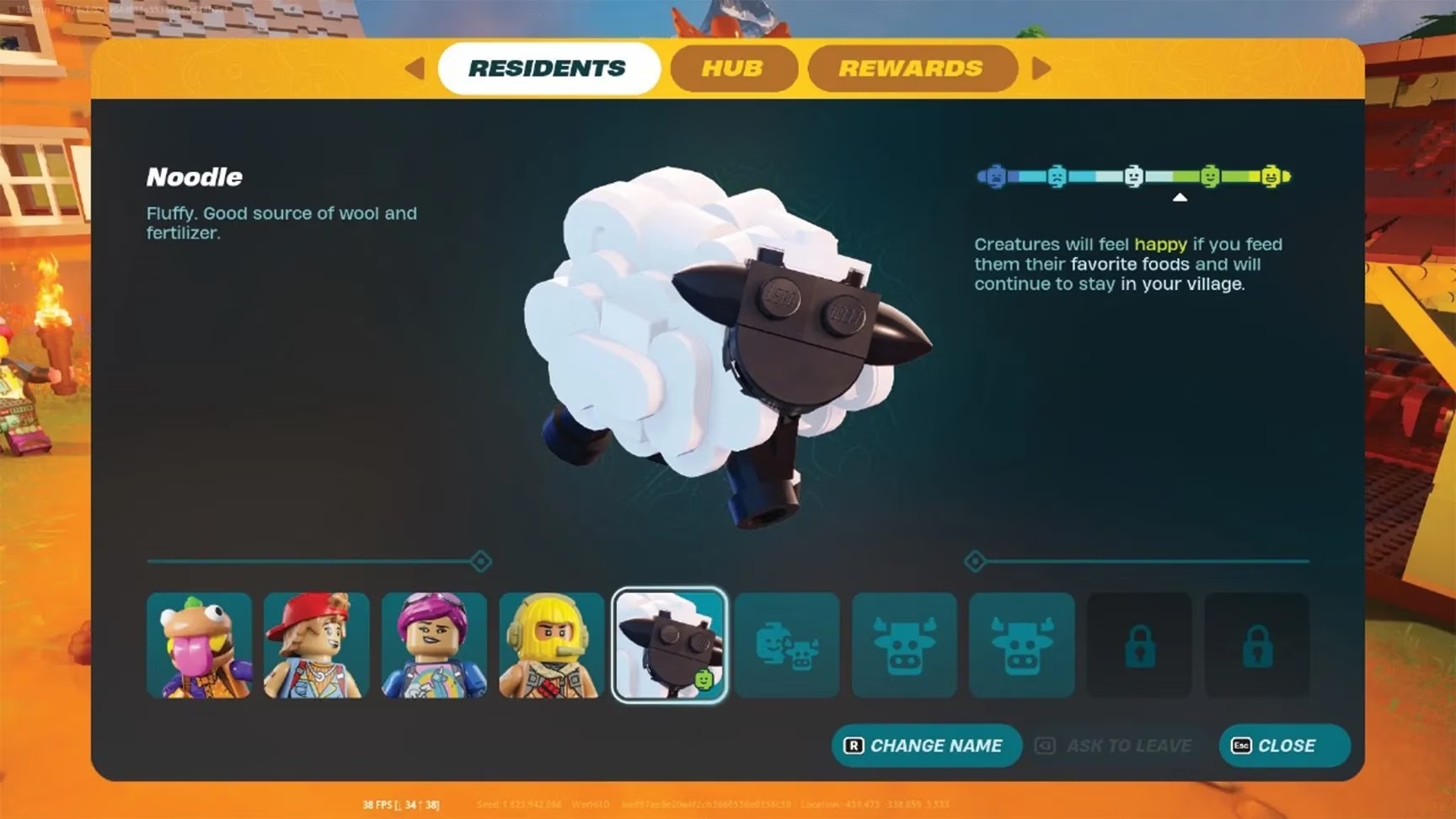
The Village Hub is my favorite screen for animal management. When I interact with the Village Square, the first screen shows a mood meter for each animal. If I want maximum production speed, I make sure the arrow underneath the mood meter is as far to the right as possible.
I keep animals happy by feeding them their favorite foods. I store food in their Barns and wait for resources to pile up. The type of resource can also depend on the biome the animal came from and the food I give them. For example, a sheep from the Snow Biome, also called the Frostlands, produces heavy wool instead of regular wool. That detail matters a lot when I am crafting winter gear.
My 2026 Animal Farm Routine
These days, my routine is simple:
-
🏠 Build Animal Houses as soon as my village hits Level 2.
-
🌽 Stockpile Vines, Corn, and Animal Treats.
-
❤️ Tame the animal I need, never the first one I see.
-
🚗 Use a vehicle or bridge to bring it home safely.
-
🏷️ Assign it to a Barn and give it a name.
-
🥕 Feed favorite foods and check the mood meter daily.
-
👩🌾 Assign a villager caretaker before long trips.
The Farm Friends update changed how I interact with the cute creatures of Lego Fortnite. Animals are no longer just food or background decoration. They are workers, companions, and a core part of my village economy. In 2026, that system still holds up, and it is one of the main reasons I keep returning to my farm.