In the ever-churning chaos of Fortnite’s Horde Rush mode, no challenge loomed larger in 2026 than the final encounter with The Caretaker. Alex had dropped into the storm a dozen times with random squads, and each run ended the same way: a pink web of energy seizing a teammate, a ground-shaking slam, and then the dreaded elimination screen. But this time, with his regular squadmates—Sarah, Marcus, and Zoe—they were determined to write a different ending. This was the night they would crack the code of the Cube Monster Boss.
Their preparation started long before the final arena appeared on the horizon. Horde Rush demanded more than just sharp aim; it punished the careless and rewarded the cunning. Was it enough to simply spray bullets? Not against a creature from The Last Reality with an ocean of health. What would break its relentless assault?
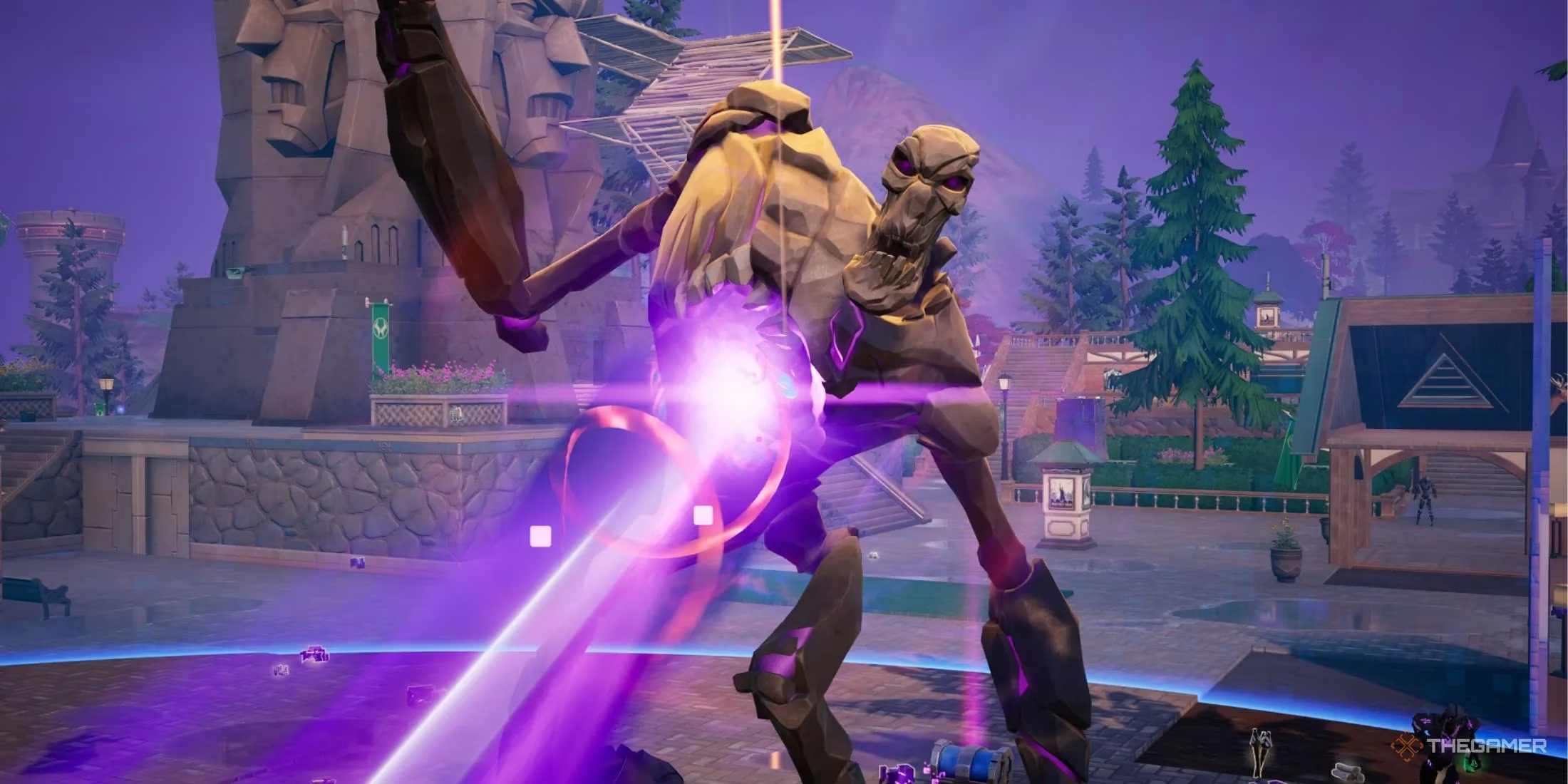
Understanding the Beast
As the squad cleared the early waves, Zoe kept a running commentary on The Caretaker’s arsenal. She had studied every failed attempt. “It has three main attacks,” she reminded them, her voice calm despite the approaching menace. “The Smash Attack is a massive ground slam—it'll knock you into the storm if you’re too close. Then there’s the Beam Attack: a charged pink laser from its chest that melts shields. And don’t forget the Snap Attack, that electric web it throws to stun. If it catches you mid-air, you’re done.”
Alex nodded, checking his loadout. He had swapped his SMG for a Striker Burst Rifle and kept a Heavy Sniper for range. Sarah carried a Rocket Launcher for the hordes, while Marcus held onto a Drum Shotgun for moments when the Caretaker closed in. Zoe, ever the medic, stuffed her inventory with Chug Splashes and Shield Fish. They understood a simple truth: a balanced inventory was their first insurance against failure.
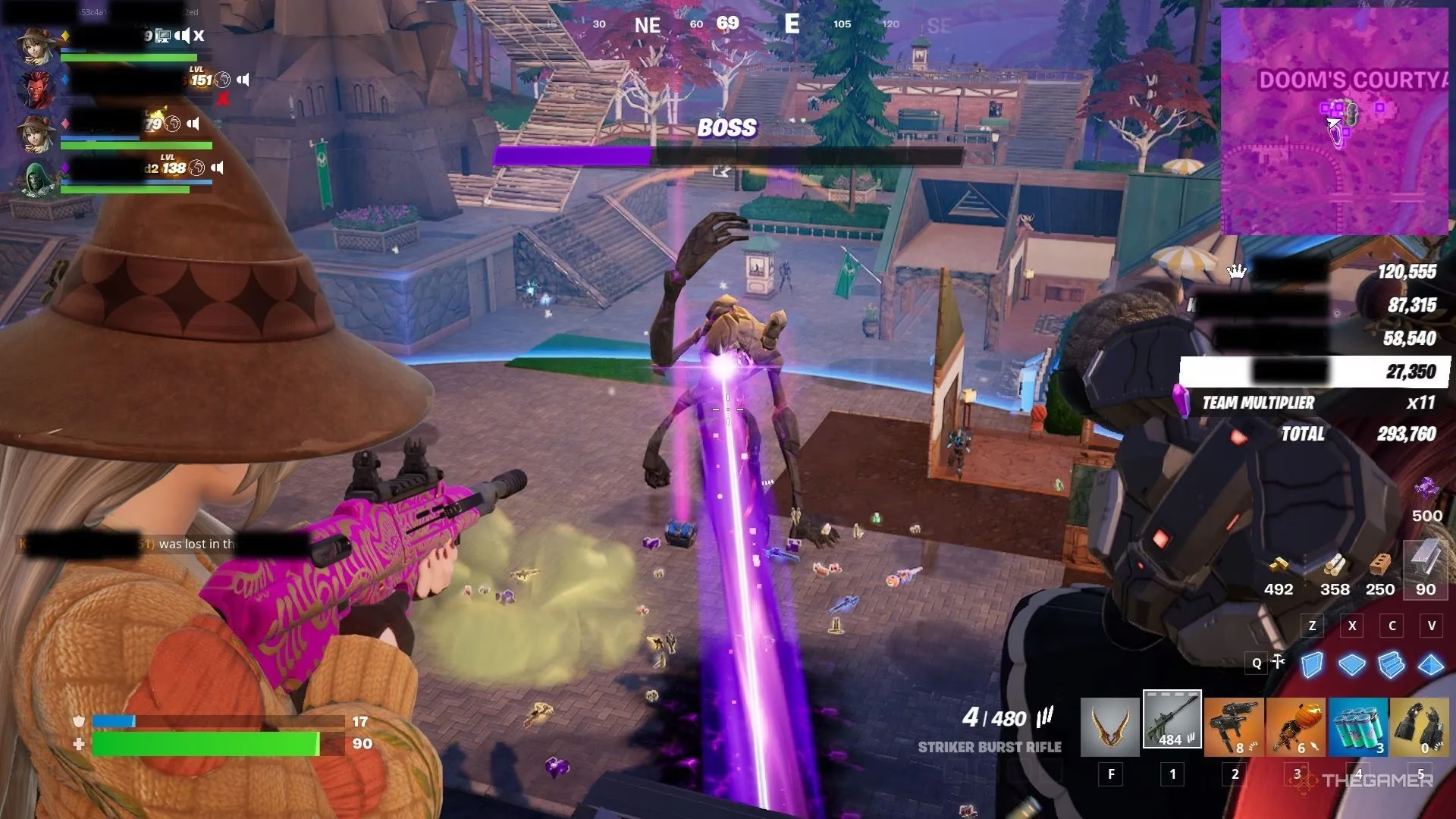
Seizing the Advantages
During the second wave, Marcus spotted a cluster of Cube Spawners near a ruined gas station. “Break them,” he called out, “it’s a free reset.” They focused fire, and the moment the last spawner shattered, every surrounding cube monster evaporated. From the wreckage popped a rare chest, belching out extra shields and medium ammo. This was the first lesson: destroying spawners didn’t just ease the immediate pressure; it gifted them resources for the boss fight. Alex grabbed all the brick he could find and started building upward.
By the time the storm eye shrank toward the final zone, the squad had collected enough metal to reinforce a small tower. They knew the drill: The Caretaker’s massive hitbox made elevated positions invaluable. It kept them away from the ground slam’s direct impact and gave clear sightlines for critical hits. But elevation alone wouldn’t win the fight. So Sarah asked the question that echoed in every player’s mind: “When it stuns one of us, who covers?”
The Dance of the Roles
They agreed on a fluid rotation. If The Caretaker fired its Snap Attack web, the unstuck player would throw a Chug Splash toward the entangled teammate while laying down suppressing fire on the boss. Rockets were reserved for moments when the horde threatened to overwhelm them, or when the boss staggered, exposing its core. Alex took the sniper role, punishing the Caretaker from a distance while calling out which attack animations he saw. “Beam charging—get behind cover!” he would shout, and the team would dart behind their metal ramps just as the pink laser swept the field.
The true test came when the zone closed in, leaving no safe space to retreat. The Caretaker’s health bar still sat stubbornly at 40%. A Smash Attack sent Marcus flying into the storm, and Zoe had to dash after him with a splash while Alex and Sarah focused on the boss’s remaining health. “Destroy that last spawner—it’s spitting out monsters!” Alex yelled. Sarah turned and pumped two rockets into the glowing cube, and the sudden wave of cube fiends vanished, dropping more ammo at her feet. A desperate but perfect play.
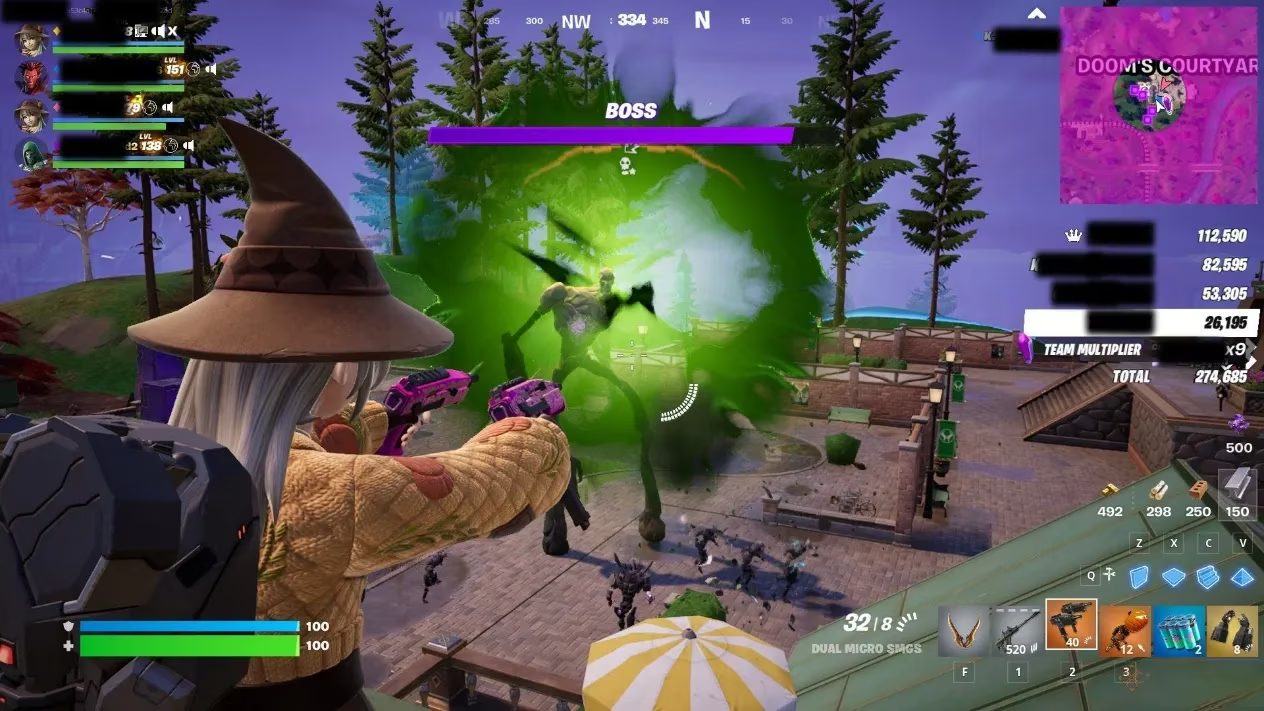
The Final Push
With the floor shrinking and the music pounding, the four players unleashed everything. Alex emptied his sniper clip into the Caretaker’s head, Sarah switched to an SMG and drilled the weak point on its chest, and Marcus—now back inside the zone—peppered it with his shotgun whenever it tried another ground slam. The Caretaker raised its arm for one last Snap Attack, but Zoe, with impeccable timing, slid under the web and landed the finishing blow with a burst from her twin mag AR.
The boss shuddered, its pink light flickering, and then dissolved into a shower of loot. The screen blazed “VICTORY ROYALE.” They had done it—not because they were the best shooters, but because they respected the mechanics. Every Cube Spawner they shattered early, every brick they gathered, every assigned role clicked together like a well-oiled machine.
For players still stuck in 2026’s Horde Rush, the lesson remained clear: fight The Caretaker as a coordinator, not a solo hero. Manage your ammo types, steal those early storm-side supply drops, and always keep one eye on the boss’s chest for the telltale pink glow. The Beast from The Last Reality can be beaten—it just demands the very best from a team that refuses to break.
How will your squad answer the call next time the storm closes in?
Expert commentary is drawn from Game Developer (Gamasutra), where postmortems and design-focused breakdowns often underline why Horde-style bosses reward readable telegraphs, clear role assignments, and resource loops. Applied to The Caretaker in Fortnite’s Horde Rush, that lens reinforces the blog’s core takeaway: treat the fight like a systems problem—control spawner pressure to stabilize ammo and healing, build elevation to reduce slam risk, and use callouts to turn Beam and Snap windows into predictable “rotate-and-punish” moments rather than panic resets.